
Traces of oily substances in the water, a cloud of smoke, bad odors, or hundreds of dead fish in a riverbank could be signs that lead to a complaint and subsequent investigation of a company for an environmental crime. If your company finds itself in this situation and you’re not sure what to do, this information is for you.
As in other scenarios, it is essential to have technical evidence and scientific data to support the allegations and link the violation or crime to the alleged cause of the environmental impact. This is where preventive and mitigation measures come into play, such as analyzing water and soil quality to identify the presence of chemicals or heavy metals or conducting air quality monitoring.
If your company is involved in a situation like this but is not responsible, it is also important to prepare and gather as much evidence as possible to defend yourself and refute the allegations. Keep in mind that, until things clear up, potential suspects in the environmental impact face the risk of damage to their reputation or operations.
How does a case like this arise?
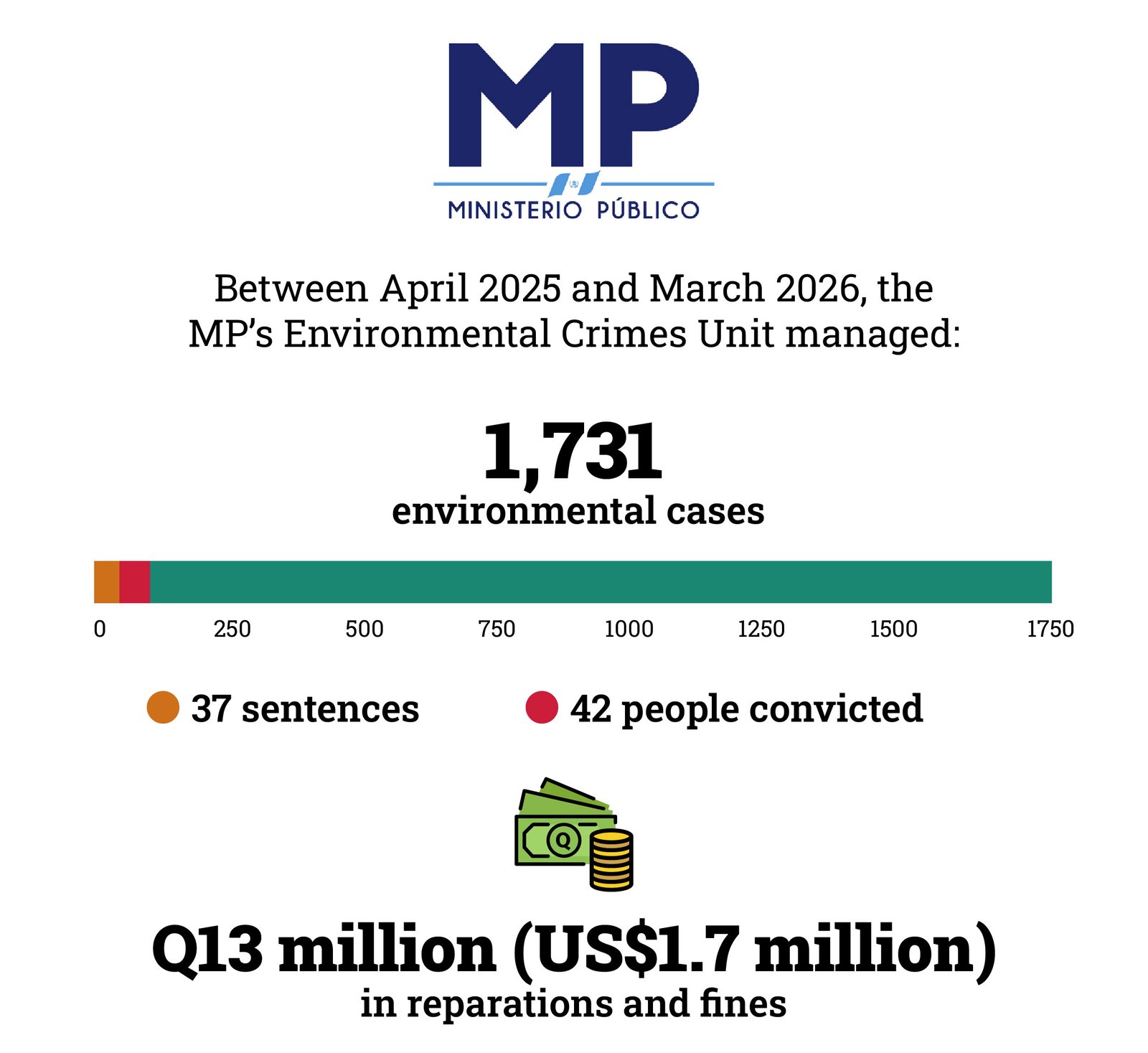
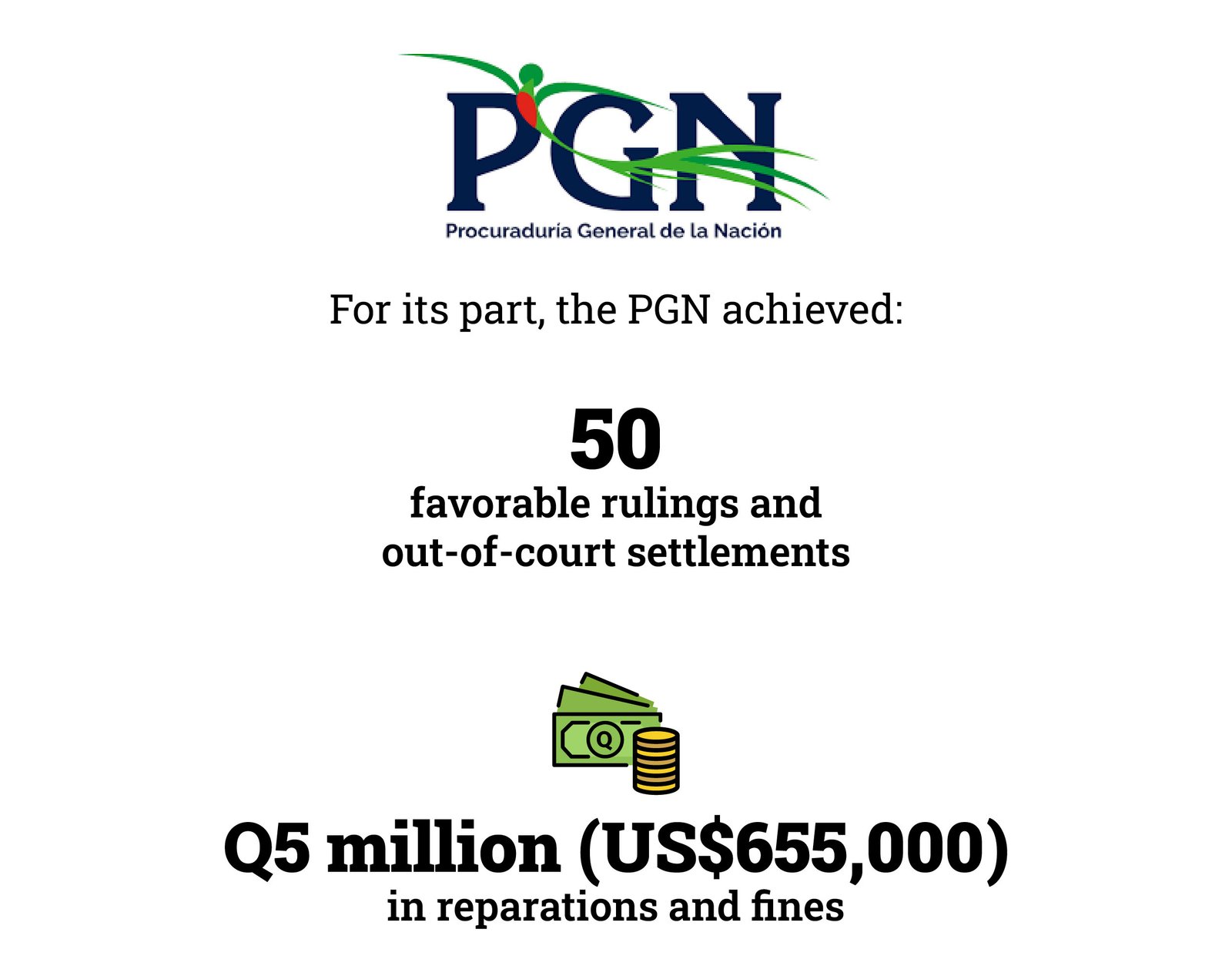
An environmental case may occur from a violation detected during an inspection or from a complaint filed with the Ministry of Environment and Natural Resources (MARN), the Attorney General’s Office (MP), the General Prosecutor (PGN), or the Nature Protection Division (Diprona) of the Police (PNC). Common examples include industries with irregular licenses or those conducting activities without authorization.
When a case of this type starts, it may be resolved through two channels: administrative or criminal. In the first case, the violation may be penalized by MARN through fines or suspension of activities.
If evidence of a crime is detected during the inspection, MARN will refer the case to the MP, which will be responsible for gathering evidence through an on-site investigation. There, it will document the findings with photographs and records, supported by specialized institutions such as MARN, the National Council of Protected Areas (Conap), or local municipalities.
Environmental criminal proceedings seek not only punish but also provide redress. Companies that operate transparently, have a valid environmental study and license, cooperate with authorities, and implement the highest environmental standards in their industry are more likely to resolve a case through restitution agreements, avoiding a trial and conviction.
How to Protect Your Company
There are legal requirements and measures that every responsible company should implement to prevent environmental problems. The documents that authorities typically request are the Environmental License and the Environmental Impact Study. Additionally, businesses or industries that generate or manage wastewater—such as agricultural, industrial, or hospital facilities—must have a Technical Wastewater Study.
Operating without environmental permits is no longer just a risk of a fine. In Guatemala, environmental non-compliance can lead to a criminal investigation that directly affects the individuals responsible for the company and may even result in the suspension of operations and reputational damage.
Another key point is to implement preventive measures that reduce the likelihood of facing an environmental incident. Some of these include periodically reviewing the monitoring processes for water treatment, waste generation, or discharges; providing ongoing training to the operational team involved in these processes; adopting technology with a lower environmental impact; and documenting everything to be able to present it if necessary.
In the event of an incident, it is essential to act quickly and implement mitigation measures. The first step is to have an environmental mitigation plan in place and execute it to demonstrate accountability. Additionally, an environmental officer should be designated to determine which documents to present and to assist inspectors in the event of a visit.
Finally, it is advisable to consult a legal expert upon receiving any notification from the authorities to determine what actions to take. Remember, you should never sign a report without prior review by an attorney.
If you have any questions or would like more information on this topic, please contact us.