Current

Judicial default: a crisis in the entire Justice system

#FreshStartMonday

Welcome to #FreshStartMonday

"Nothing resembles injustice so much as delayed justice"
Seneca
 

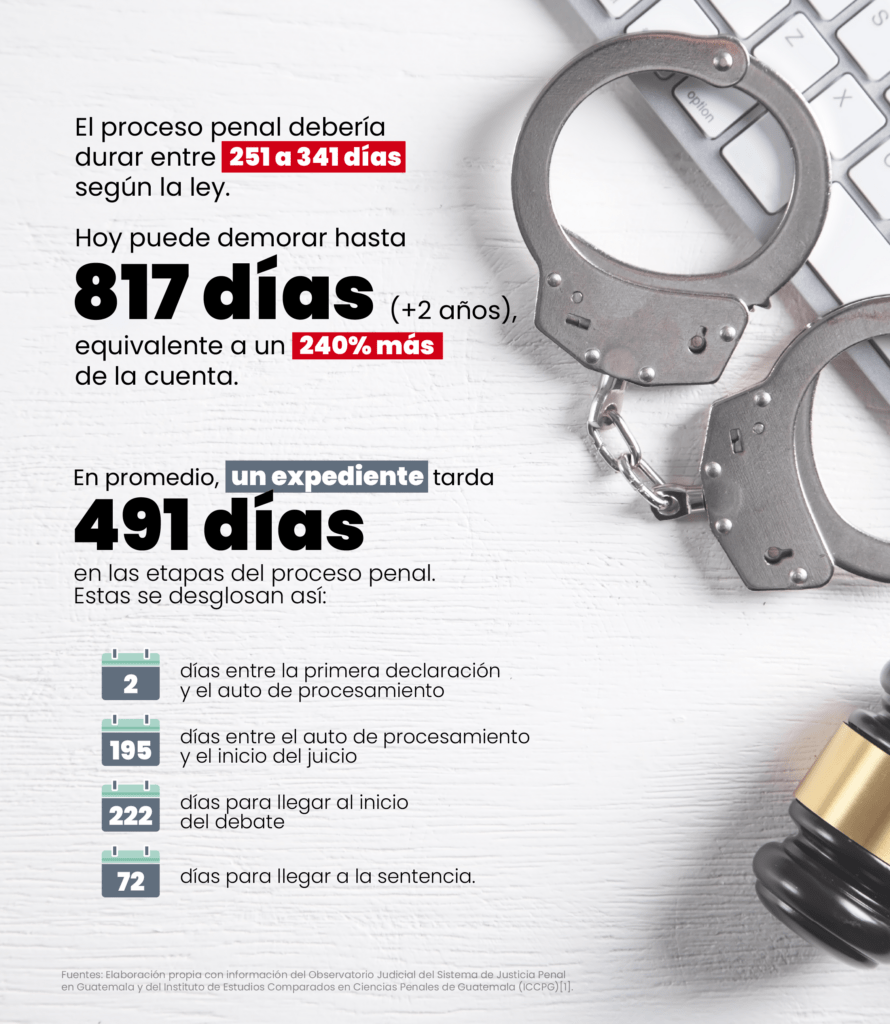
Judicial delay is the failure to meet legal deadlines, which contradicts the right to be judged in a reasonable time. This implies that the work in the courts accumulates, its staff is overloaded, and, therefore, delays justice, for months, or in some cases, for years.

According to the report on the impact of the COVID-19 pandemic on cases of femicide and other forms of violence against women, the pandemic worsened the judicial backlog considerably in this area. To this date, there are hearings that will be held until 2024, according to press publications.

The fundamental causes of the delay in criminal proceedings include lack of judges, poor organization, shortage of material resources, the actions of the parties and their representatives, lack of preparation of judges and poor performance.

This leads to a lack of trust in the justice system, loss of credibility and impunity, as many cases remain unsolved.

Judicial policies should be implemented to reduce the judicial backlog, which contemplate the number of courts in places with greater congestion and more personnel should be hired where there is a greater workload. In addition, there should be policies and investment in the professionalization of personnel, the implementation of technological resources that streamline the work and a simplification of procedures should be carried out.

Finally, it is necessary to take advantage of de-judicialization measures, to promote orality and immediacy and the creation of free mediation and resolution mechanisms. All these measures will help strengthen the rule of law.

SHARE
RELATED PUBLICATIONS

Criminal Law Reforms for the Protection of Children and Adolescents

El 14 de abril de 2026, el Congreso de la República de Guatemala, aprobó el decreto 10-2026 y emitió la Ley para Prevenir el Abuso Sexual Infantil. Esto surge en cumplimiento con las obligaciones del Estado respecto a la protección del interés superior del niño (artículos 4 y 5 de la Ley de Protección Integral de la Niñez y Adolescencia) y busca proteger a los menores de edad frente a relaciones desiguales de poder y cualquier tipo de violencia que atente contra su integridad y pueda afectar el desarrollo sexual y psicológico del menor.

Ver más