
#FreshStartMonday
Welcome to #FreshStartMonday!
Guatemala is taking action to counteract pollution and improve the final disposal of solid waste in line with environmentally friendly policies. Starting August 11,you must implement the “secondary classification”, of garbage which mandates the management of organic and inorganic waste: paper, carboard, plastic, glass, and metal. These provisions are part of the Government Agreement No. 164-2021, “Regulations for the comprehensive management of common solid waste and residuess”.
Who Must Comply with this Regulation?
Any individual or entity, whether public or private, local or foreign, that produces common solid waste or residues as a result of their activities. In essence, all residents and individuals passing through Guatemala are obligated to comply with this classification.
How Are Solid Waste and Residues Classified?
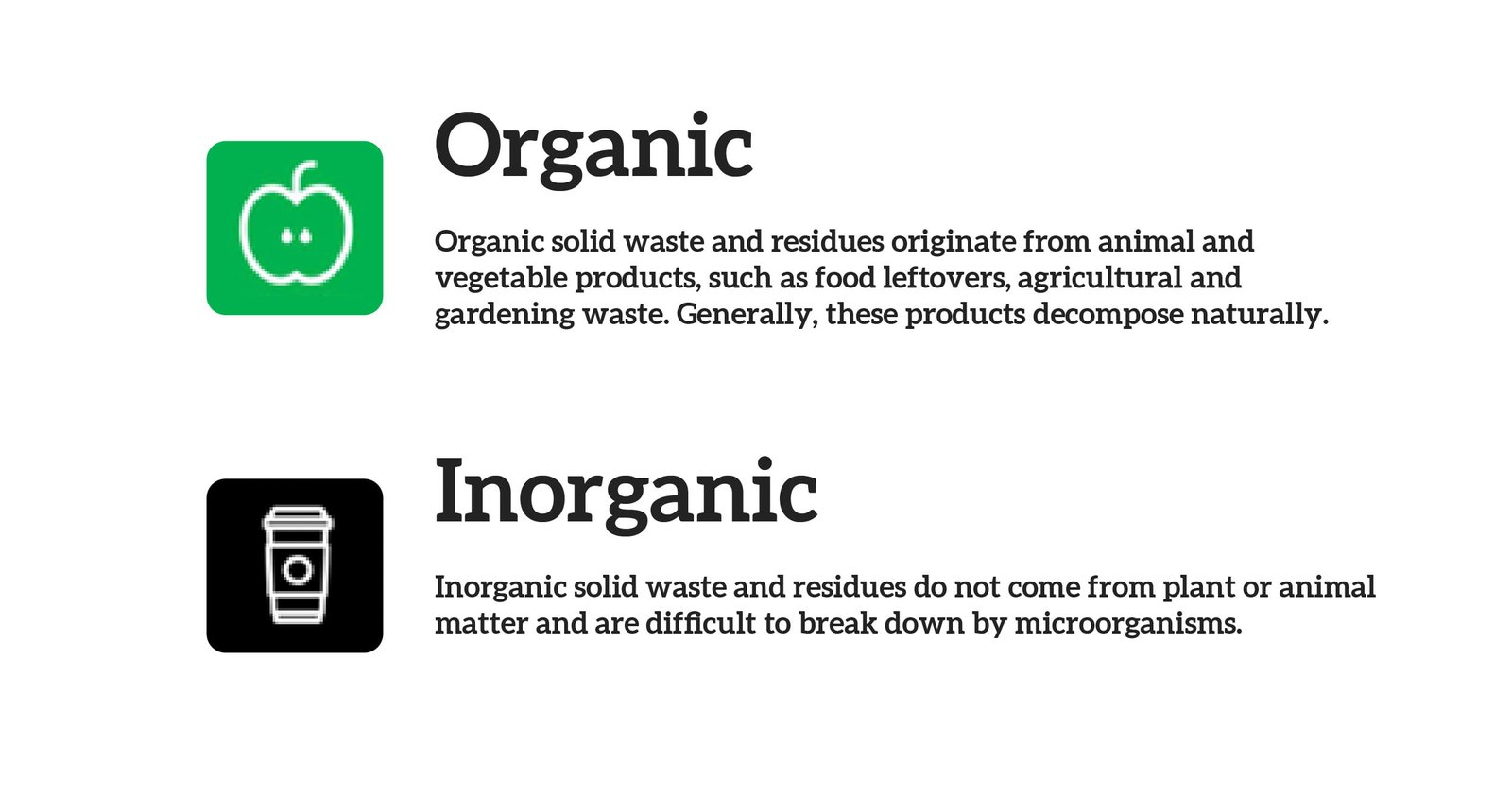
The regulation categorizes waste into two broad categories: organic and inorganic, which should be separated as follows:
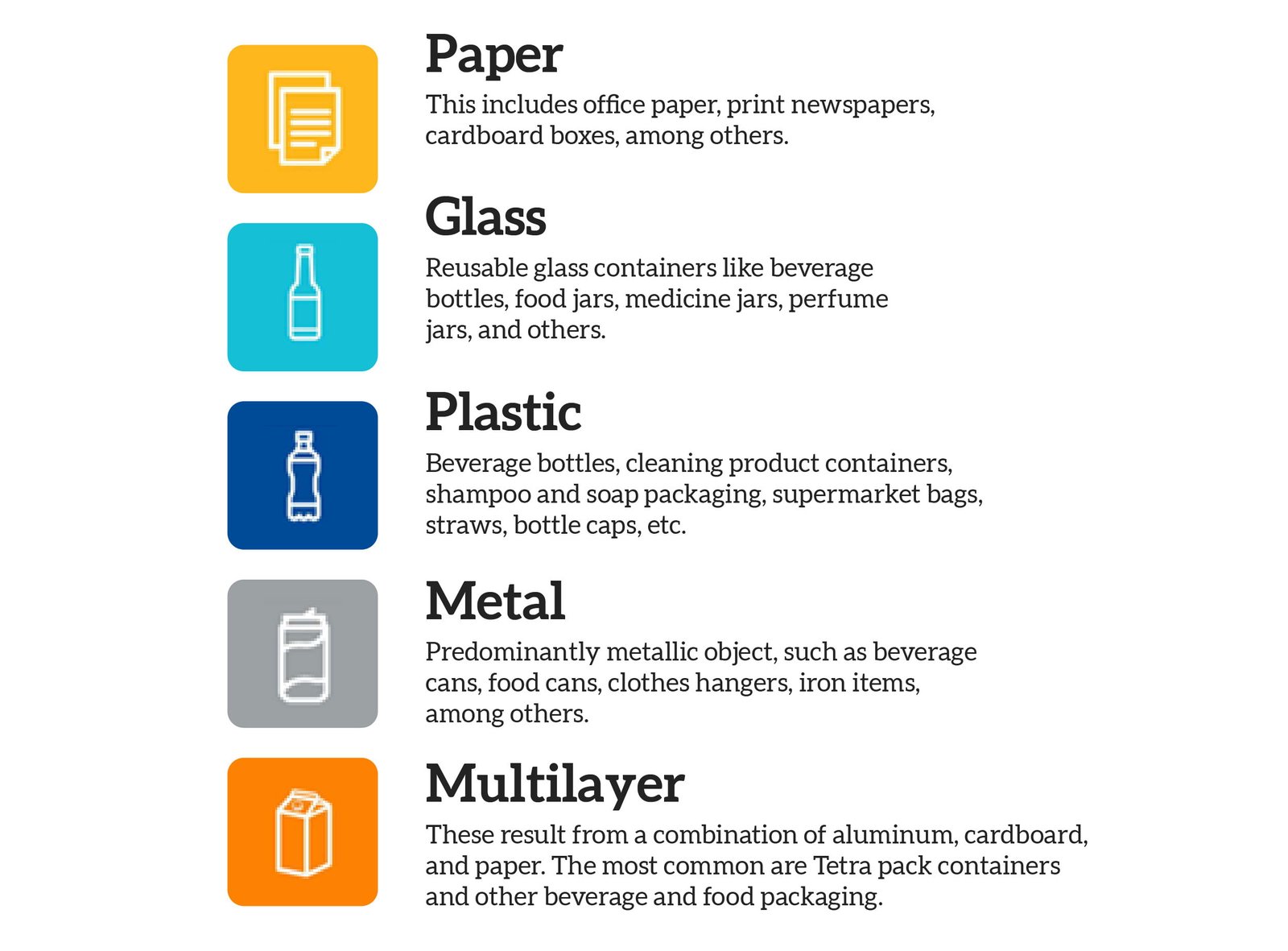
Starting August 11an additional classification will be introduced for inorganic waste,separating it into seven types based on their materials:
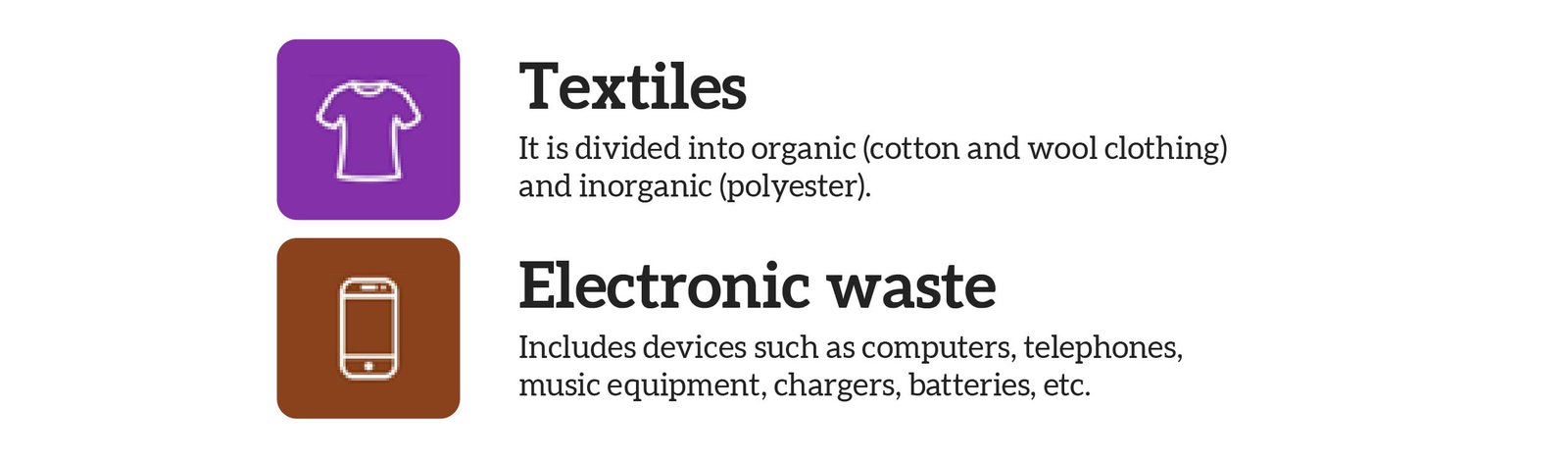
The classification also extends to Others as they are:
How Should Wastes be Stored?
For the separation process, there should be temporary storage infrastructure, such as color-coded bins for each type of waste.
What Happens After you Classify Residues?
The wastes are collected and stored so that they can go through treatment or final disposal.
This phase has its own regulations and must be adapted to the comprehensive management plans of each municipality.
What are the Consequences if the Regulations Are Not Followed?
This will result in sanctions for disregard, non-compliance, and violation of the regulations.
- The Ministry of Environment and Natural Resources (MARN) may impose fines according to the seriousness of the infringement.
- And establish a timeline to implement corrective measures.
Practical Tips for Proper Waste and Residue Management
Everyone has an obligation to comply with this new waste classification. Here are some practical tips to facilitate this process and contribute to environmental health:
- Reduce, Reuse, Recycle, Dispose: These four words encapsulate best practices for managing all the products we use. Whenever possible, try to reduce the amount of trash you generate, reuse products, recycle materials, and dispose of waste responsibly.
- Identify Plastic Types:: It's crucial to recognize the different types of plastics, as some are recyclable, and others are not. Knowing this allows us to make better decisions about the products we buy and how to discard them.
- Choose Reusable Containers: Favor reusable and eco-friendly containers, such as thermoses, water bottles, glass food containers, and always choose returnable packaging when possible.
- Clean Your Containers: Make sure items than can be recycled are dry, clean, and free from food scraps and grease. This step ensures materials are recyclable and do not contaminate other items.
- Educate About Proper Separation:: It's essential to learn and teach others about correct waste separation practices and spread good waste disposal habits.
Understanding and complying with the new waste and solid residue classification regulation in Guatemala is critical. It's not just about avoiding sanctions; it's about reinforcing our social and environmental responsibility. Adherence to these guidelines allows us to align our actions with corporate social responsibility principles and ESG (Environmental, Social, and Corporate Governance) criteria. This underscores the importance of sustainability and ethics in our everyday operations.
Proper waste management benefits the environment and enhances our image as responsible citizens and businesses in society.